
How to Move On From Someone You Still Love
When the person you once called your soulmate walks away—or when circumstances pull you apart—it can feel like the entire world has gone silent. The connection you nurtured, the dreams you shared, the comfort of knowing someone was there for you… it all suddenly disappears. And now, you're left alone in the stillness, asking yourself the inevitable question: How do I move on from this?
Losing someone you loved with all your heart is no ordinary kind of pain. It punches you in places you didn’t even know could hurt. It’s not just about saying goodbye to a person—it’s about letting go of an entire chapter of your life. And when you're in the thick of it, it's hard to imagine that you'll ever feel whole again.
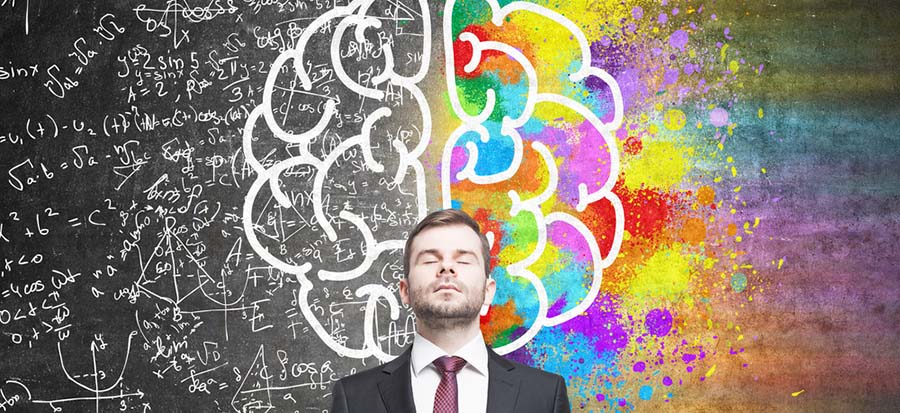
How Habits and Feelings Shape Our Decisions
We make countless decisions throughout our day—some big, some tiny, some that we’ll forget before they’re even over. And though we often like to believe we’re being rational, clear-headed thinkers, many of those decisions are far from logical. In fact, there's an ongoing debate in psychology and neuroscience that suggests most—if not all—decisions are ultimately driven by emotion.

Train Your Brain to Think More Logically
Have you ever found yourself stuck in a mental loop, wondering how others seem to solve problems so effortlessly while you’re still untangling the first thread? The truth is, clear, logical thinking isn't just a talent you’re born with—it's a skill you can strengthen. Just like your body can be sculpted and improved with the right exercises, your mind is capable of becoming sharper, more agile, and more strategic through a process known as neuroplasticity—the brain’s remarkable ability to rewire and adapt itself throughout your life.

Pause, Breathe, Respond: A New Way to Handle Emotions
We’ve all been there—those moments when something seemingly small hits a nerve and sends us spiraling. It could be a sharp comment, an unexpected inconvenience, or someone’s behavior catching us off guard. And before we know it, there’s a wave of anger, hurt, frustration, or defensiveness bubbling up inside.

Wrestling With Frustration: How to Cope When You're Disappointed in Yourself
There’s a unique kind of ache that surfaces when the person you’ve let down… is you. While many of us fear disappointing loved ones, bosses, or friends, there's a deeper discomfort that comes from falling short of your own expectations.
It hits differently. It stirs a strange mix of regret, self-doubt, and even shame—like standing on the edge of a high dive and realizing too late you don't want to jump, or tasting that old sushi you knew you should’ve tossed.

Create the Life You Want: 10 Intentional Steps to Begin With
Change is one of life’s only guarantees. It arrives whether we welcome it or not, often shaking us out of our routines and forcing us to face who we are, what we believe, and what truly matters. You might be reading this because something inside you is stirring—a hunger to evolve, to break free from what no longer serves you, to shape a life that feels more aligned with your deeper self.

A Complete Guide to Social Wellness and Healthy Relationships
Humans are inherently social beings. We’re wired for connection, for shared experiences, for a sense of belonging. You could be following a near-perfect health regimen—clean eating, enough sleep, regular workouts—and still feel like something’s missing. That “something” is often social wellness. As our population ages and conversations around mental health become more mainstream, there's been growing awareness of the critical role social health plays in our lives. Studies have consistently shown that maintaining strong social wellness contributes to both our physical and emotional resilience.

Mental Disorders Explained: A Complete Guide to Types and Symptoms
Mental disorders—also referred to as mental illnesses—are medical conditions that impact how a person thinks, feels, behaves, and relates to others. These disorders are not just temporary emotional hiccups or bad days—they can be chronic or episodic and can deeply affect a person’s ability to function normally in daily life. Whether it’s maintaining relationships, succeeding at school or work, or simply getting through the day, a mental disorder can become an overwhelming hurdle.

What Makes You Mentally Healthy
Mental health isn’t merely the absence of a diagnosable illness or condition—it’s far more layered than that. It reflects the way you perceive yourself, how you manage life’s daily hurdles, and the way you interact with the world around you. In essence, your mental well-being shapes your thoughts, your emotions, and your actions on a regular basis. It determines how you handle stress, how you rise from failure, how you connect with others, and how gracefully you rebound from life’s inevitable challenges.
What Is Logic and How Does It Work?
Logic is the disciplined exploration of reasoning—the structured investigation of how conclusions follow from premises in a valid and coherent way. In essence, logic studies the skeleton of arguments, focusing on the form that makes an inference valid rather than the specific content involved. A valid inference is one in which the conclusion is supported purely by the logical connection with the starting assumptions.