
Toxic relationships: why people stay
Toxic relationships: why people stay
Toxic relationships are not just associated with physical abuse only. Toxicity unravels itself in many forms of abuse. A toxic relationship is characterized by physical, emotional, mental abuse and a repeated pattern of behaviour such as manipulation, isolation, dishonesty, disrespect and constant criticism .Studies show that an estimate of 6 to 9 out of 10 people have been in toxic relationships , are in toxic relationships or have someone close to them in a similar situation. Toxic relationships exist in friendships, workplace , intimate partners and even within family.
The hidden struggles of chronic liars
When lies become a habit: the hidden struggles of chronic liars
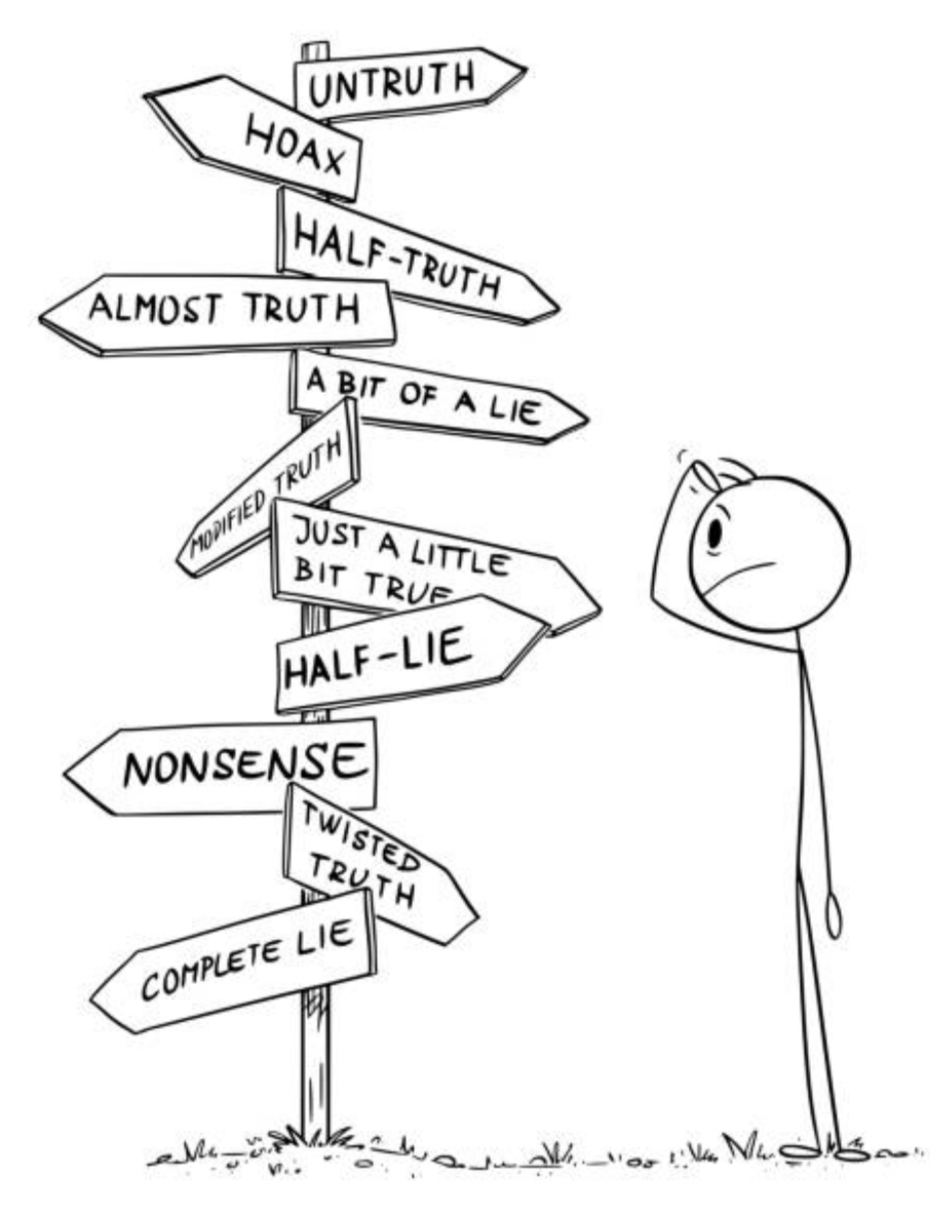
Typically, when someone lies, they say what they know to be false in an attempt to deceive the listener. Lies are divided into categories: the prosocial lies where lies are constructed to benefit or protect others and antisocial lies told to benefit oneself or harm others, it is often motivated by selfishness, manipulation or avoidance of responsibility. Lies usually takes one of the several forms of dishonesty which include half-truth, pertinent omissions, complete deception and exaggerations. Lying is a common thing which people do from time to time - to escape trouble, to make them themselves look a little better or even to avoid hurting one’s feelings. However, some lies goes beyond occasional excuses. Slowly it becomes a way of life, a habit so deep that it begins to define who they are. These people are chronic or pathological liar -these are people who lie even when there’s no reason to.

How to Respond When Someone Insults You
Insults—whether subtle jabs or blatant verbal attacks—have the power to pierce through your confidence and shake your sense of self. They don’t just sting in the moment; if left unaddressed, they can leave long-term damage in the form of diminished self-worth, social anxiety, and even depression. Whether someone throws a rude remark at you during a meeting, mocks your appearance in passing, or excludes you in a way that feels deliberate, the impact can ripple far beyond that instant.

Why People Ignore You and What You Can Do About It
When someone suddenly starts ignoring you, it can feel like you've been dropped into emotional quicksand. Confusion starts to creep in. Your mind races through worst-case scenarios. And most of all, you begin to question yourself: Did I say something wrong? Did I miss something?
The truth is, being ignored isn’t just a silence—it’s a scream you’re left trying to decode. Whether it's a close friend, someone you're dating, a family member, or someone you admired deeply, the emotional impact of being shut out hits hard. You begin to carry not only the ache of being left in the dark but also the weight of assumptions and self-blame.

How to Move On From Someone You Still Love
When the person you once called your soulmate walks away—or when circumstances pull you apart—it can feel like the entire world has gone silent. The connection you nurtured, the dreams you shared, the comfort of knowing someone was there for you… it all suddenly disappears. And now, you're left alone in the stillness, asking yourself the inevitable question: How do I move on from this?
Losing someone you loved with all your heart is no ordinary kind of pain. It punches you in places you didn’t even know could hurt. It’s not just about saying goodbye to a person—it’s about letting go of an entire chapter of your life. And when you're in the thick of it, it's hard to imagine that you'll ever feel whole again.