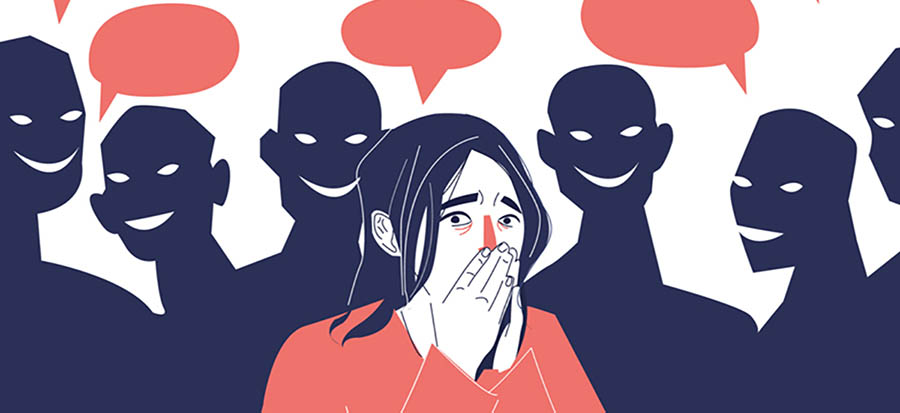
Social Anxiety and the Fear of Being Judged
Do you feel an overwhelming fear of being negatively evaluated by others? Do you freeze up or feel deeply uncomfortable in ordinary conversations or everyday interactions? If you find yourself dreading simple social encounters—like meeting new people, answering questions in a group, or even just chatting with a cashier—and this feeling has persisted for six months or more, it might be more than shyness. You could be dealing with social anxiety disorder, a condition that silently disrupts the lives of millions.
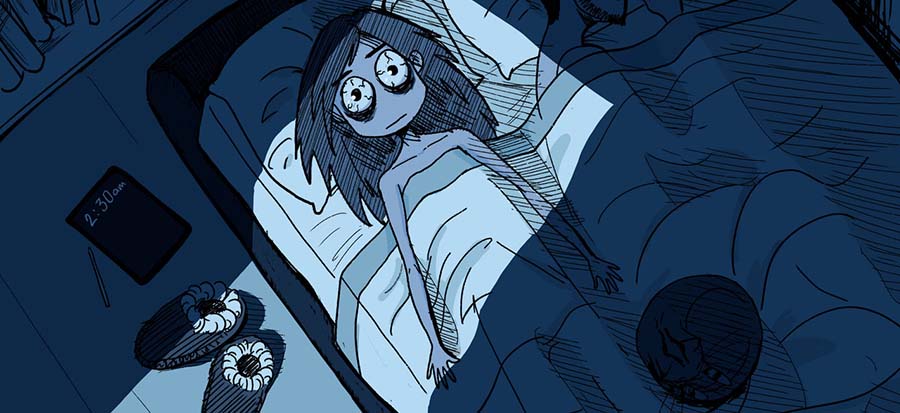
Why Can’t I Sleep? Sleep Disorders and How to Fix Them
If you're finding it hard to fall asleep, waking up feeling drained, or simply dragging through the day in a haze of fatigue, you're far from alone. Sleep disorders are a broad range of conditions that interfere with your ability to get restful, restorative sleep. When sleep is disrupted consistently, it doesn’t just leave you tired — it can spiral into significant daytime dysfunction, affecting everything from your mood to your memory. And it’s not just a rare issue; researchers have identified close to eighty distinct types of sleep disorders.
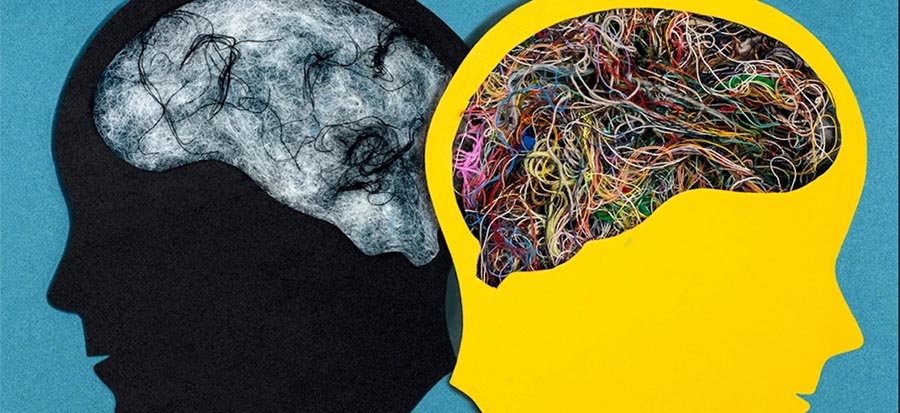
Understanding Bipolar Disorder
Bipolar disorder—once widely referred to as manic depression—is a serious mental health condition that causes a person to experience intense emotional states. These episodes range from extreme highs, known as mania or hypomania, to profound lows, typically defined as depressive episodes. These mood shifts are not just the common ups and downs that most people encounter—they are severe enough to interfere with daily functioning, relationships, and overall well-being.
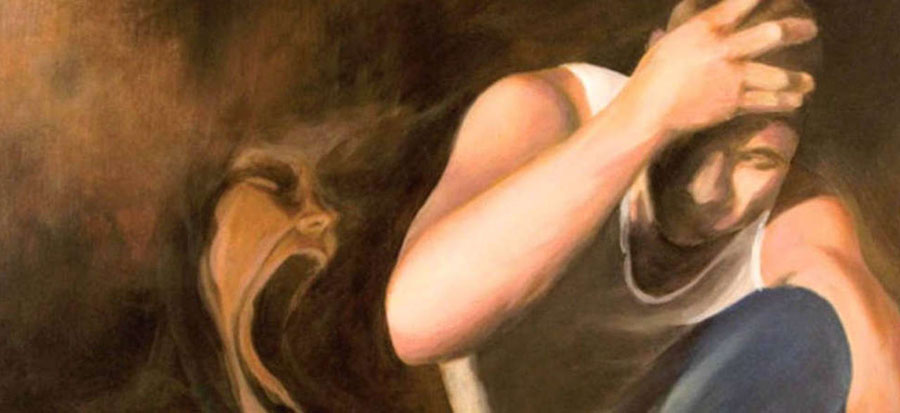
Inside the Mind: A Deep Dive Into Schizophrenia
Schizophrenia is a profoundly complex and chronic mental health condition that disrupts a person’s ability to think clearly, manage emotions, make decisions, and relate to others. Those living with schizophrenia often find it difficult to differentiate between what is real and what is not. This disconnection from reality may lead to periods of detachment, emotional flatness, or social withdrawal, especially during interactions that require emotional presence or expressive communication.
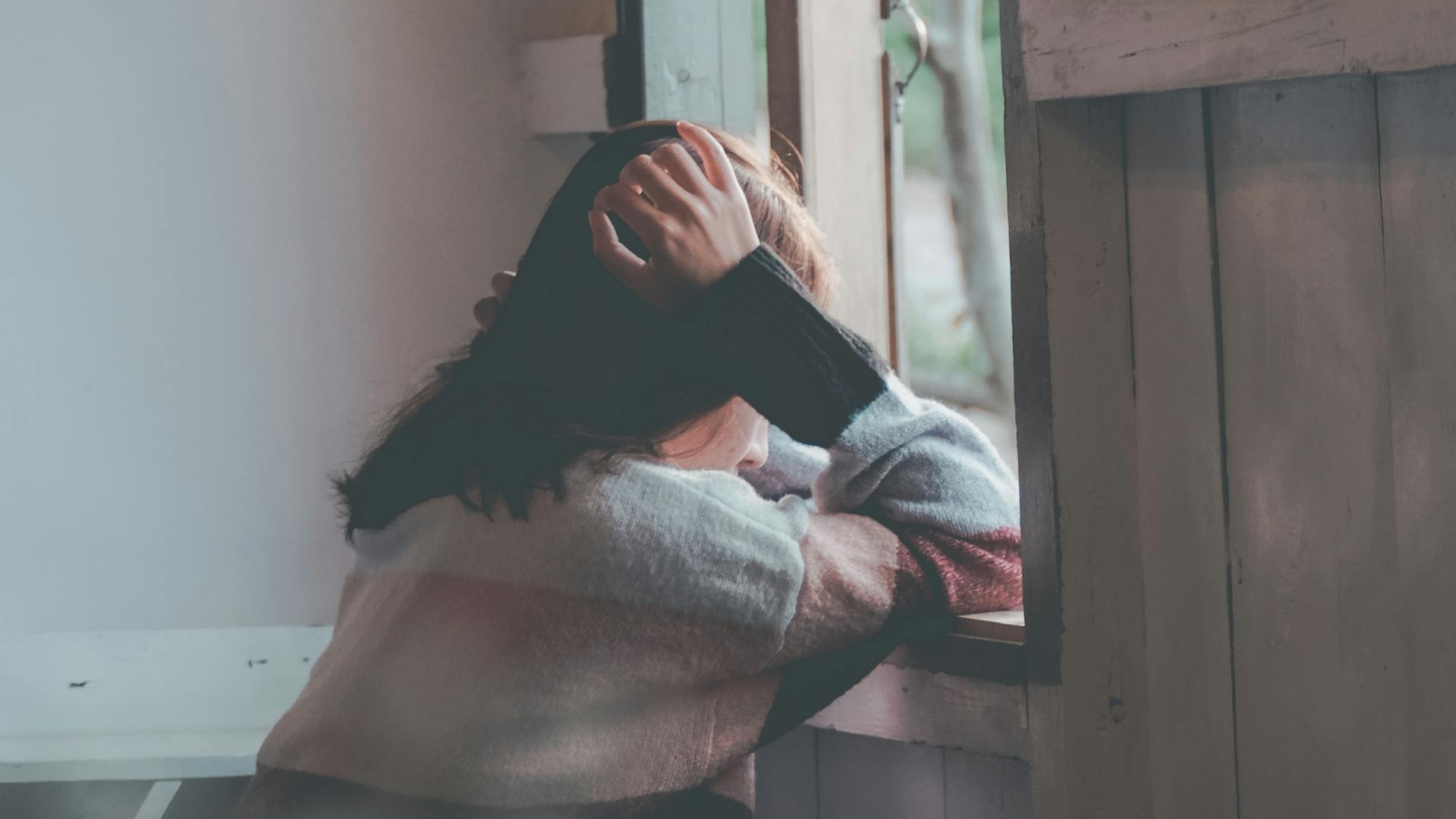
Toxic relationships: why people stay
Toxic relationships: why people stay
Toxic relationships are not just associated with physical abuse only. Toxicity unravels itself in many forms of abuse. A toxic relationship is characterized by physical, emotional, mental abuse and a repeated pattern of behaviour such as manipulation, isolation, dishonesty, disrespect and constant criticism .Studies show that an estimate of 6 to 9 out of 10 people have been in toxic relationships , are in toxic relationships or have someone close to them in a similar situation. Toxic relationships exist in friendships, workplace , intimate partners and even within family.
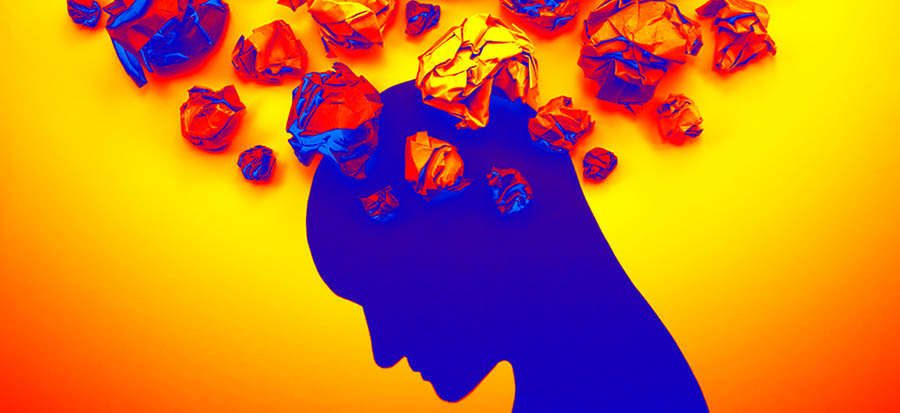
Mental Disorders Explained: A Complete Guide to Types and Symptoms
Mental disorders—also referred to as mental illnesses—are medical conditions that impact how a person thinks, feels, behaves, and relates to others. These disorders are not just temporary emotional hiccups or bad days—they can be chronic or episodic and can deeply affect a person’s ability to function normally in daily life. Whether it’s maintaining relationships, succeeding at school or work, or simply getting through the day, a mental disorder can become an overwhelming hurdle.
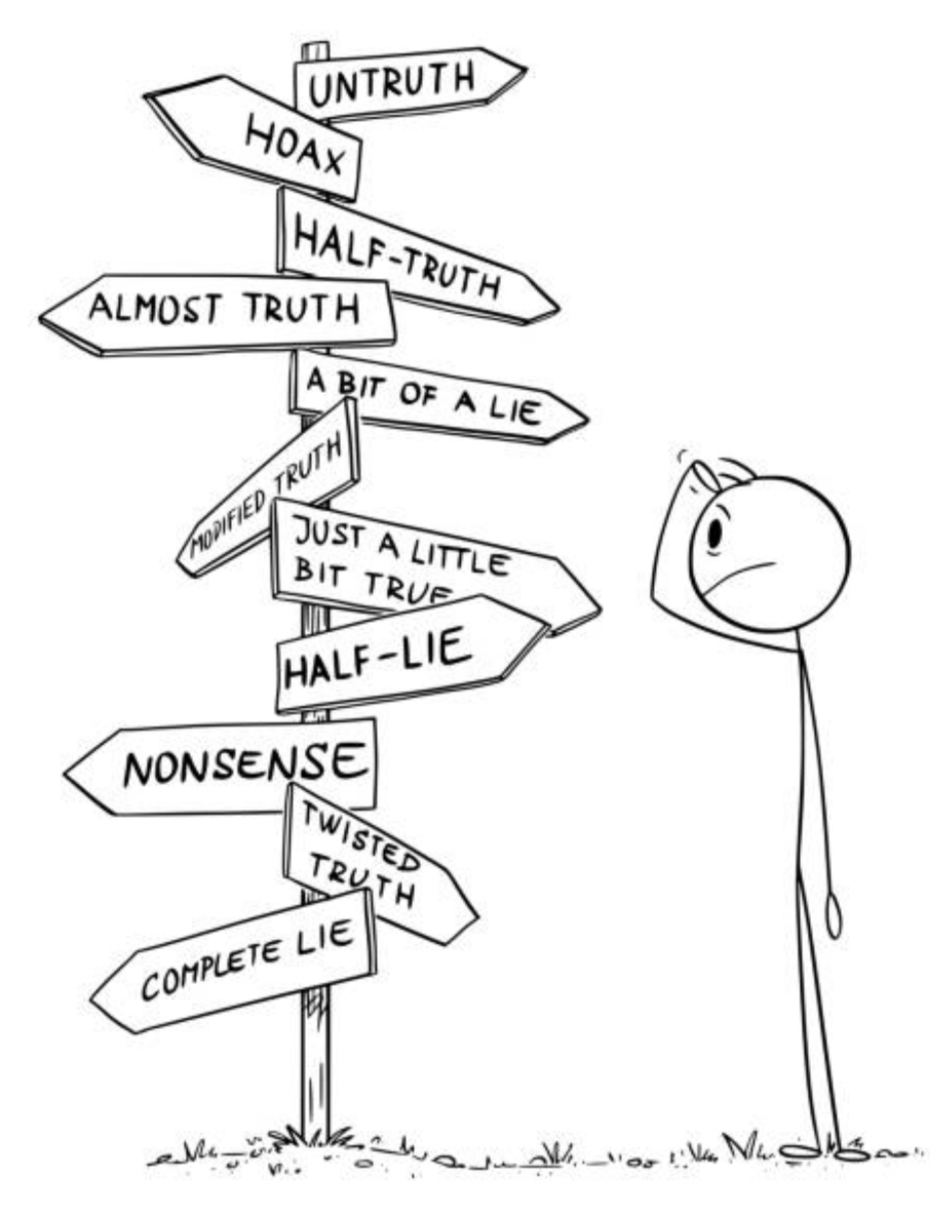
The hidden struggles of chronic liars
When lies become a habit: the hidden struggles of chronic liars
Typically, when someone lies, they say what they know to be false in an attempt to deceive the listener. Lies are divided into categories: the prosocial lies where lies are constructed to benefit or protect others and antisocial lies told to benefit oneself or harm others, it is often motivated by selfishness, manipulation or avoidance of responsibility. Lies usually takes one of the several forms of dishonesty which include half-truth, pertinent omissions, complete deception and exaggerations. Lying is a common thing which people do from time to time - to escape trouble, to make them themselves look a little better or even to avoid hurting one’s feelings. However, some lies goes beyond occasional excuses. Slowly it becomes a way of life, a habit so deep that it begins to define who they are. These people are chronic or pathological liar -these are people who lie even when there’s no reason to.