
Balance Your Life: The 7 Wellness Dimensions That Matter Most
Wellness is often misunderstood as a concept that’s all about physical health—working out, eating well, and maybe doing a bit of yoga when life gets hectic. But in reality, true wellness runs deeper and spreads wider than what we see on the surface. It’s not a single decision or a one-size-fits-all routine. Wellness is a multidimensional pursuit—a full-spectrum lifestyle approach that balances your mind, body, heart, and spirit.

The Most Powerful Tips to Reduce Stress Quickly
From life's little frustrations to the heavy burdens of major upheavals, stress is something that shows up in everyone's life. You might not have control over every situation that throws you off balance, but you can decide how to react. That part is in your hands.
Whether it's an unexpected deadline, a traffic jam, or a more serious life event, stress has a way of creeping into your mind and body.When it lingers or becomes overwhelming, it begins to wear you down emotionally, physically, and mentally. That’s exactly why building a toolkit of dependable stress-relief strategies is essential—not just for survival, but for well-being.

What Causes Addiction and How to Treat It Effectively
Addiction is not just a lapse in willpower or a streak of poor decisions—it’s a deeply rooted and multifaceted disease that affects how the brain works. Over the last hundred years, scientific exploration has radically shifted our understanding of addiction. It’s no longer seen as a simple failure of morality or discipline, but as a chronic brain condition that alters neural pathways and distorts decision-making, reward, and behavior.

Understanding and Treating Narcissistic Personality Disorder
Narcissistic Personality Disorder, commonly referred to as NPD, is officially recognized in the Diagnostic and Statistical Manual of Mental Disorders, Fifth Edition (DSM-5), where it falls under the umbrella of personality disorders. But unlike casual references to narcissism that we often hear in everyday conversation, true NPD is a deeply rooted psychological condition that significantly affects a person’s inner world and how they relate to others.
ADHD Management: Best Treatments for Children and Adults
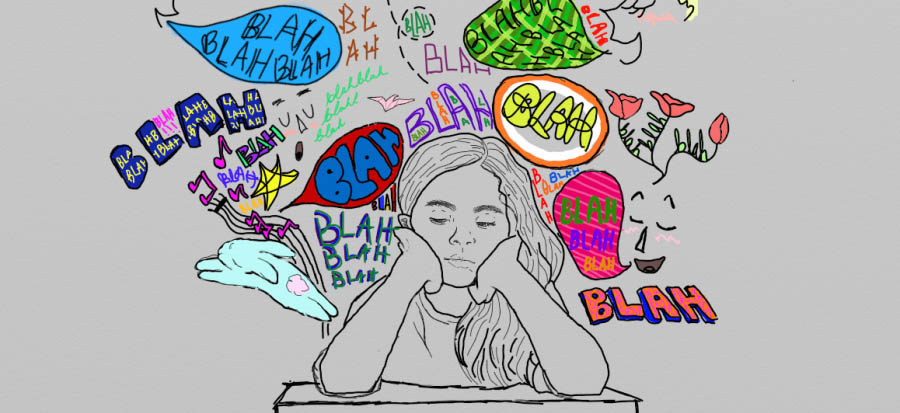
Managing ADHD effectively begins with finding the right treatment plan—one that considers both the brain-based nature of the disorder and the unique behavioral challenges that come with it. While there isn’t a permanent cure for Attention-Deficit/Hyperactivity Disorder, there are several proven strategies that can significantly reduce its impact on a child’s daily life.
ADHD affects the way the brain processes information and regulates behavior. As such, treatment often combines both medical and non-medical approaches. No single treatment fits every child. That’s why building a tailored, flexible plan is key to managing symptoms in a way that works best for the individual.

Complete Guide to the Most Effective OCD Treatments
Obsessive-Compulsive Disorder, more commonly known as OCD, is a complex, enduring mental health condition characterized by intrusive, repetitive thoughts—called obsessions—and compulsive behaviors that a person feels driven to perform. These patterns can become deeply disruptive, making it difficult to function in everyday life.
Whether it’s the compulsion to wash hands repeatedly or the obsessive fear that something bad will happen unless objects are arranged “just right,” the symptoms of OCD can take many forms. What unites them is the overwhelming sense of anxiety and the inability to easily break free from the cycle.

How to Treat Depression Effectively
Depression isn't a one-size-fits-all experience—and neither is its treatment. What works best for one person may not be suitable for another. Your path to healing will depend on a variety of factors, including the severity of your depression, the types of symptoms you’re experiencing, the current circumstances of your life, and even your personality traits and preferences.